Thursday, 30 November 2017

Shape Further Shoot

Further shoot: Shape

I went out to take photographs of shapes in nature that are often over-looked.

My Images:

My Best Images
1263.jpg:

1273.jpg:


1277.jpg:


1288.jpg:


1293.jpg:


Line Further Shoot

Further Shoot: Line

My main idea when I went out to take photos was to focus on man-made lines, and nature.

My Photos:

My Best Images:


Images that need improvement:
1279.jpg:
This image was slightly wonky, to fix this next time I will use a tripod next time.

1304.jpg:
The lighting in this shot is too dark, I should have used a slower shutter speed. Next time I will try a slower shutter speed and maybe change the F-stop. 


Wednesday, 29 November 2017

Portraiture

Portraiture:
What makes a good Portrait?:
-Lighting
-Props
-Background
-Person
-Framing
-Camera position
-Interaction 
Portraiture:
-Portrait photography or portraiture in photography is a photograph of a person or group of people or animal that captures the personality of the subject by using effective lighting, backdrops, and poses. A portrait picture might be artistic, or it might be clinical, as part of a medical study.

Yousuf Karsh:
Yousuf KarshCC (Armenian name: Hovsep Karsh; December 23, 1908 – July 13, 2002) was anArmenian-Canadian photographer best known for his portraits of notable individuals. He has been described as one of the greatest portrait photographers of the 20th century.   
The harsh lighting on his face brings out Churchill's facial structure. This suggests that he is powerful and strong as he is the leading the country and so he would want to be portrayed as masculine. 


David Lachapelle:
 This is an image of Amanda Lepore and the soft lighting emphasises her femininity and the bright lipstick and leopard print background shows her character. 


Image Bank:


 (AO:1.  You must ensure that several of the visual ideas/inspirations within the image bank are pursued. )

My Own Images:

.
Images that need Improvement:
IMG_0738.jpg:
For this shoot I was struggling with exposure. I wanted to keep to a low F-stop to keep a narrow depth of field that was focused on my subject as it was a portrait. However, I couldn't get the exposure at the right level: it was either too dark or too light. I couldn't make it too long as the Crows kept moving around and the sunlight was bright.  Next time I will focus less on changing the F-stop and change the exposure to get the right level of light. This image is slightly over exposed but this can be corrected in Photoshop.


IMG_1029.jpg:
This image was over under exposed as not enough light was allowed into the sensor, this is because I had had the camera setting on a high F-Stop due to taking very bright photograph previously and I Hadn't changed the settings. I actually re-shot this directly after I took this, as I reviewed while I was with the dog.


My best Images:

0621:


0637:

 0650:

0808:


0918:


1008:


AO3: Record ideas, observations and insights relevant to intentions, reflecting critically on work and progress.

Before I went out to shoot I looked at Yousuf Karsh's work and I particularly liked his photograph of Amanda Lepore as he expertly captures her bold and unique character within one photo. With this in mind my main objective when I went out to shoot Portraits was to capture the character of the people I was photographing, as for me, that is what a portrait show convey. 

I'm pleased  with how my images came out as I feel they effectively portray her bashful and joyful character. 

AO2Explore and select appropriate resources, media, materials, techniques and processes, reviewing and refining ideas as work develops.


For these images I used a Nikon camera body with a Cannon 18-55 mm lens. I fluctuated the F-stop from 4-12 to keep my model in a narrow depth of field. I used a ISO of 200 and the exposure was 1/125.

The ideal setting for shooting a model in a studio are F/11, ISO 200 and a shutter speed of 1/125. 

I had to keep the exposure short because my model kept moving and so did the birds. Although I kept the camera on similar settings in each photo,  it was a sunny day and so the contrast between shade and sunshine was extreme. For some of the light shots I lowered my F-stop to F/13. 

To improve my images I edited them in Photoshop...
0808:

For this first image I used curves to change the exposure:

Then I changed the image to black and white to make the crows tones more pronounced:

And finally I burnt and dodged the image to make it more striking:

I edited all of my images in a similar fashion to the example given. These are my final images:


Landscapes


Landscape:

Definition: Landscape photography shows spaces within the world, sometimes vast and unending, but other times microscopic. Landscape photographs typically capture the presence of nature but can also focus on man-made features or disturbances of landscapes

Image Bank: 


Image result for urban landscapeImage result for urban landscape
Image result for urban landscape

Simon Roberts:
Simon Roberts (b.1974) is a British photographer whose work deals with our relationship to landscape and notions of identity and belonging. He has published and exhibited widely and his photographs reside in major public and private collections. 
Image result for simon roberts photographyImage result for simon roberts photography
Image result for simon roberts photography
Image result for simon roberts photographyImage result for simon roberts photography

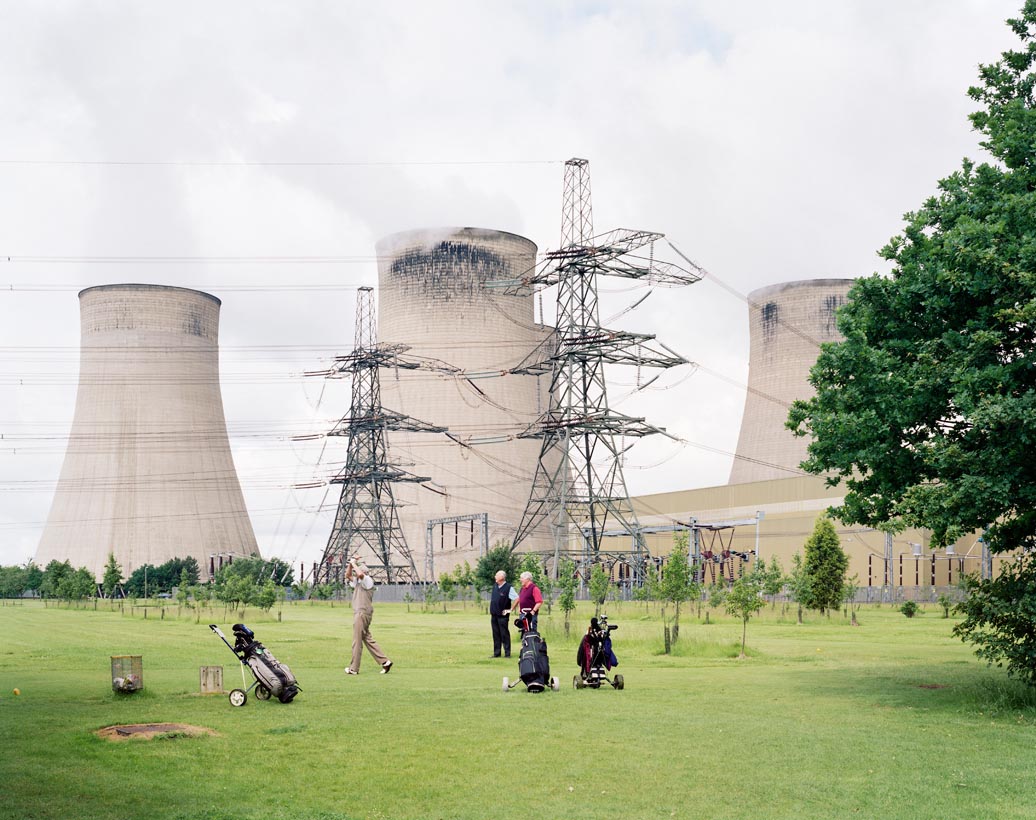
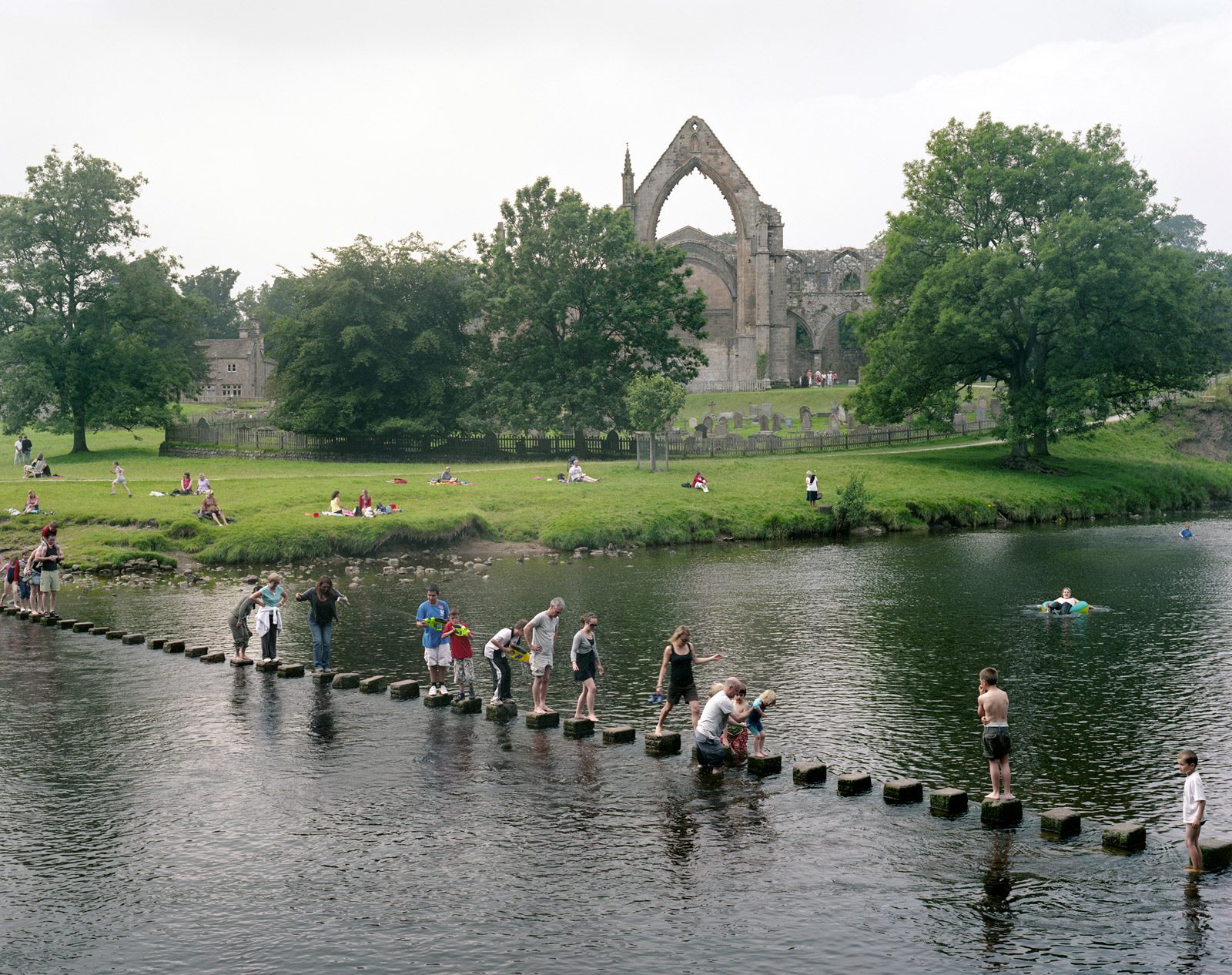
His work shows how humans have become one of the main nuances while taking photographs, and instead of trying to work around us, Roberts has embraced the ugliness. He has done this because we no longer respect our surrounding and will continue abusing the planet until we cause a disaster. 

 (AO:1.  You must ensure that several of the visual ideas/inspirations within the image bank are pursued. )

My Own Photos:


Images that need improvement:


IMG_0431:
This image is overexposed as it is too bright. The camera settings were ISO 100, F/36 and an exposure of 1.6". The reason this image was overexposed was that the exposure was too long because it was overexposed the shutter was open for too long and resulted in too much light. Next time I will either shorten the shutter speed or close the aperture to reduce the light. 


IMG_0493:
This image is too dark and it is at a canted angle, which wasn't what I wanted in the shot. The ISO was 100 for a good quality image, the shutter speed was too fast and didn't allow enough light in.The aperture was F/29, resulting in it not allowing enough light into the image.
Next time I will either lengthen the shutter speed or lower the aperture to increase the light and I will ensure that the tripod is set up straight. 


My Best Images:


IMG 0370:
I like this shot because of the normality of the surroundings and the drama of the sky. The dark blue tones and shades of the sky make it look like a storm is coming. It's a stark contrast between the mundane life and the extraordinary lying in wait underneath.


IMG 0415:


IMG 0420:


IMG 0462:


IMG_0441:


My main idea when I went out to my shoot was to record how humans have damaged the Earth, and how the population is growing exponentially, so much so that the Earth cannot keep up. 

AO3: Record ideas, observations, and insights relevant to intentions reflecting critically on work and progress.

My first image was inspired by Simon Roberts as he photographs beautiful landscapes that have been corrupted by people. The first image in this sequence shows how people have distorted the once beautiful landscape by polluting the air and pouring concrete into the soft earth.  

AO2Explore and select appropriate resources, media, materials, techniques, and processes, reviewing and refining ideas as work develops.


For these images, I used Nikon camera body but a Cannon 18-55 mm Lens. For IMG_0370 I used a 1/1600 exposure and an F-stop of F/4.5, and ISO 100. The short shutter speed will reduce light coming into the sensor but the F/4.5 will allow enough light into the camera to keep the foreground and background in focus. These settings were all manual and brought the tones and highlights making the shadows look darker and more dramatic. 

Many of the photos I shot were either too dark or too light and I had to adjust the F-stop accordingly, or they weren't straight. I did take a tripod with me but didn't use it on every shot as I couldn't get as close to the building as I wanted with it. 

This image was overexposed:

This image was under exposed:

And this image was at an angle:


To improve my images I used Photoshop:


The first image I edited was IMG_0370, I adjusted the exposures levels and 


The next thing I did was dodged and burnt the image to bring out the sky.

Then I adjusted the curves to slightly adjust the exposure again:

This is the final image:

I edited my other images using the same techniques. 
Here are my final images: